No-Spend January Meal Plan: 31 Dinners From Your Pantry
After the holidays, most budgets need a break. A no-spend January is the simplest way to reset: you eat what’s already in your pantry, freezer and fridge, and spend almost nothing on groceries for a month.
This meal plan gives you 31 dinners built from the cheap staples most American kitchens already have, plus a tiny top-up list (about $30 for the whole month) for milk, eggs and fresh produce.
💡 Before you start: take 15 minutes to write down everything in your pantry, freezer and fridge. You’ll be surprised how many dinners are already sitting there.
Step 1: Take inventory
Grab a notebook or your phone and list what you have in three columns:
- Pantry: rice, pasta, beans, lentils, canned tomatoes, canned tuna, soups, flour, oats, broth, spices
- Freezer: meat, chicken, frozen vegetables, bread, leftovers, cheese
- Fridge: eggs, condiments, cheese, tortillas, anything that needs to be used first
Cook the fridge items in week 1, the freezer items in weeks 2-3 and lean on the pantry in week 4.
Step 2: The $30 top-up list
These are the only things you’ll likely need to buy during the month. Spread them over four small trips (about $7-$8 each):
| Item | When | Est. cost |
|---|---|---|
| Milk (1 gallon) | weekly | $3.50 |
| Eggs (1 dozen) | weeks 1 and 3 | $3.00 |
| Bread or tortillas | weeks 2 and 4 | $2.50 |
| Onions, carrots, potatoes | week 1 | $5.00 |
| Bananas or apples | weekly | $2.00 |
Prices are estimated averages for US store brands and will vary where you live.
Step 3: The 31-dinner plan
Week 1: Use the fridge first
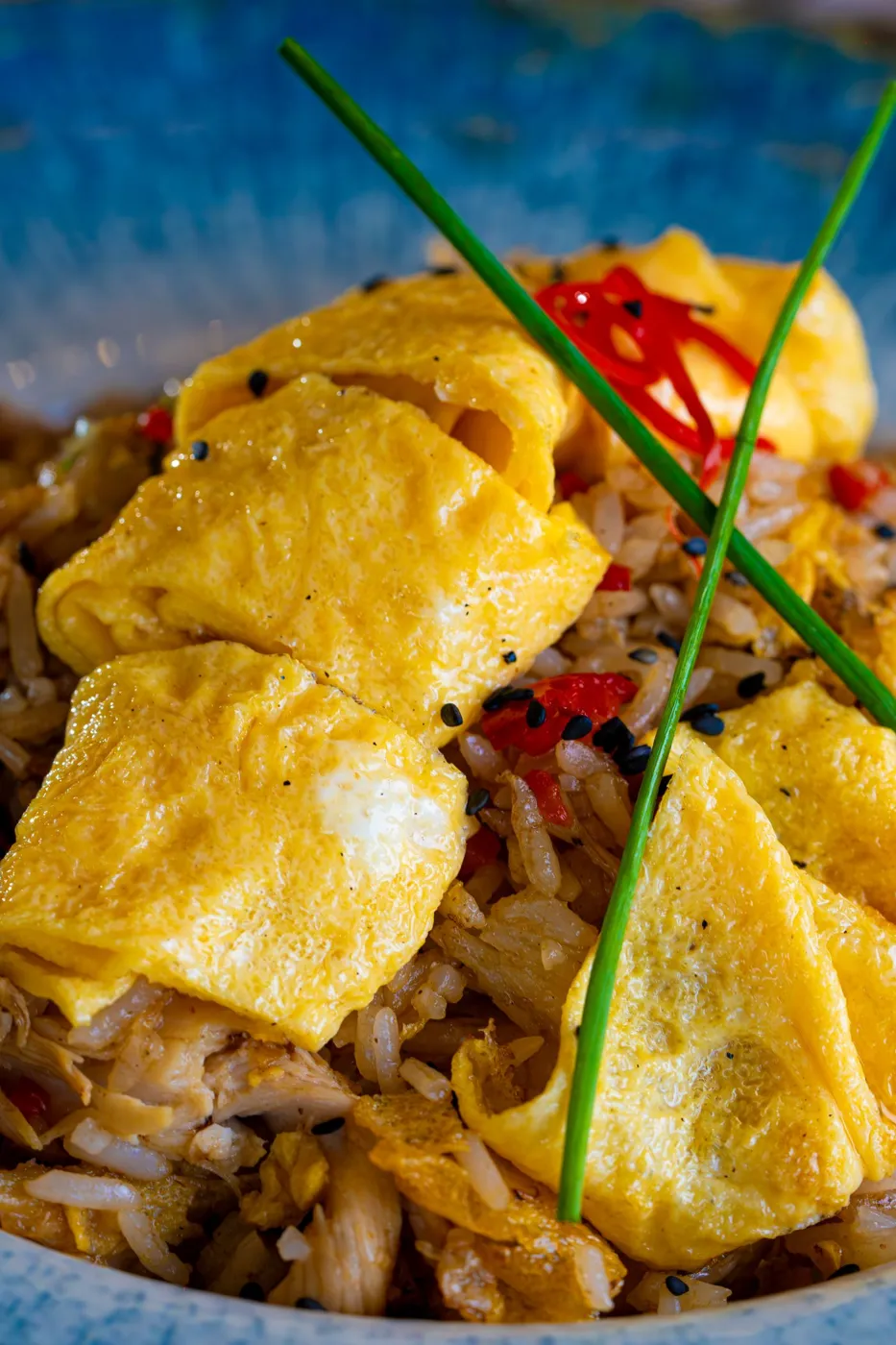
- Egg fried rice with any leftover vegetables
- Breakfast-for-dinner: scrambled eggs, toast and fried potatoes
- Quesadillas with the last of the cheese and a can of beans
- Leftover holiday ham and potato soup
- Pasta with garlic, oil and frozen peas
- Clean-out-the-fridge frittata (eggs + any vegetables and cheese)
- Homemade pizza on tortillas or flatbread
Week 2: Freezer week

- Chili with frozen ground beef or turkey and two cans of beans
- Sheet-pan chicken (any frozen chicken pieces) with potatoes and carrots
- Spaghetti with meat sauce
- Chicken and rice casserole with frozen broccoli
- Freezer vegetable soup with broth and pasta
- Tacos or taco bowls with leftover chili
- Sausage and cabbage skillet (or any frozen sausage with potatoes)
Week 3: Pantry power

- Lentil soup with carrots and onion
- Black beans and rice with salsa
- Tuna noodle casserole
- Pasta e fagioli (pasta and bean soup)
- Bean and cheese burritos
- Chickpea curry over rice with canned tomatoes and curry powder
- Pancakes and eggs (breakfast-for-dinner night)
Week 4: Stretch week
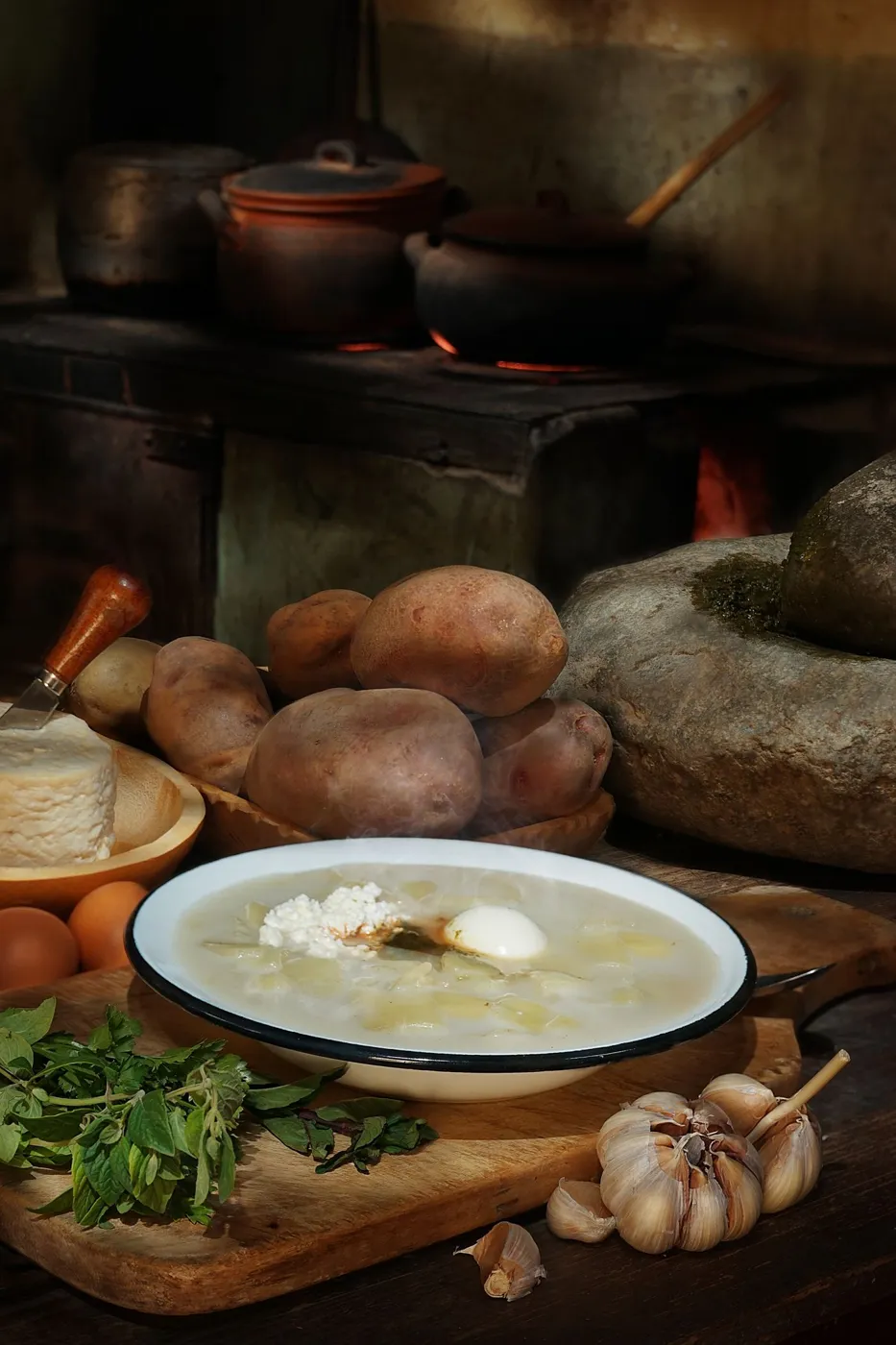
- Potato soup with milk and any cheese left
- Fried rice with frozen vegetables and eggs
- Baked potatoes topped with beans, cheese or leftover chili
- Peanut butter noodles with frozen vegetables
- Split pea or bean soup with toast
- Mac and cheese from scratch (pasta, milk, flour, cheese)
- Rice and lentils (mujadara) with caramelized onions
The last 3 days: Empty-the-shelves dinners
- Pantry pasta bake (pasta + canned tomatoes + whatever cheese is left)
- Bean tacos with tortillas from the freezer
- “Fend for yourself” leftovers night
7 tips to make no-spend January work
- Plan two dinners ahead, not the whole month. It keeps you flexible with what’s left.
- Cook rice and beans in big batches on Sunday. They turn into burritos, bowls, soups and fried rice.
- Make bread, tortillas or pancakes from flour. Flour is the cheapest food in your kitchen.
- Keep a “use first” shelf in the fridge so nothing goes to waste.
- Use breakfast-for-dinner once a week. Eggs, pancakes and potatoes are the cheapest dinners there are.
- Track what you saved. Write down what you would normally spend each week. Seeing the number grow keeps you going.
- Don’t aim for perfect. If you need to buy a few things, buy them. Spending $30 instead of $600 is still a huge win.
What to do in February
At the end of the month, look at what you used most and what sat untouched. Restock only what your family actually eats, and you’ll start February with a smarter, cheaper pantry. Our cheap meals on a budget list has 20 more dinners that use the same staples.
Frequently asked questions
What is a no-spend January?
It's a challenge where you stop all non-essential spending for the month. For food, it means eating mostly what you already have in your pantry, freezer and fridge, and buying only small essentials like milk, eggs and fresh produce.
Can I buy anything during a no-spend month?
Most people allow a small weekly top-up for perishables. A budget of $5-$10 a week for milk, eggs, bread and a few vegetables keeps the plan realistic without breaking the challenge.
How much money can a no-spend January save?
If your family usually spends $150 a week on groceries, eating down the pantry for a month can save several hundred dollars. The exact amount depends on how stocked your kitchen is at the start.
What if I run out of an ingredient?
Swap it. Rice for pasta, any canned bean for another, frozen vegetables for fresh. The plan is built on flexible staples so one missing item doesn't stop dinner.